
What is Bell's palsy ?
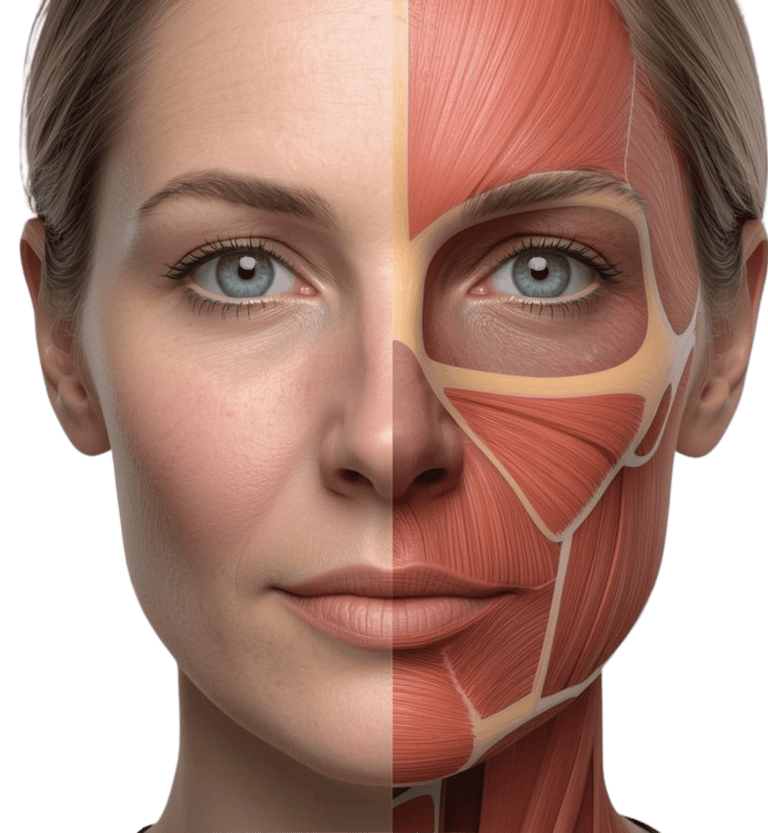
Bell’s palsy is a sudden condition that causes weakness or paralysis on one side of the face due to inflammation or disruption of the facial nerve. It can affect everyday functions such as smiling, blinking, speaking clearly, and even facial symmetry at rest—often impacting not just physical movement but confidence and emotional well-being. While the onset is usually unexpected, recovery is possible when the nerve–muscle connection is retrained correctly. With the right rehabilitation approach that focuses on neuroplasticity, precise movement re-education, and guided practice, individuals with Bell’s palsy can restore facial function, improve symmetry, and regain natural expression over time.
What are the causes ?
Bell’s palsy occurs when the facial nerve, which controls movement of the facial muscles, becomes inflamed or compressed. This nerve travels through a very narrow bony canal near the ear, so even mild swelling can disrupt signal transmission — leading to sudden weakness or paralysis on one side of the face.
In most cases, Bell’s palsy does not have a single clear cause, but research and clinical evidence point to a combination of the following factors:
Viral Reactivation: The most widely accepted explanation is reactivation of a dormant virus, commonly the herpes simplex virus (HSV-1). When reactivated, the body’s immune response causes inflammation around the facial nerve, interfering with its ability to send signals to the facial muscles.
Immune System Response: Sometimes the immune system overreacts, creating inflammation around the nerve even without obvious illness. This immune-mediated swelling can temporarily impair nerve function.
Reduced Blood Supply to the Nerve: Conditions such as diabetes, pregnancy, or vascular stress can affect the small blood vessels that nourish the facial nerve. Reduced circulation makes the nerve more vulnerable to dysfunction.
Stress as a Trigger: Stress itself does not directly cause Bell’s palsy, but prolonged physical or emotional stress can weaken immune regulation. This can increase susceptibility to viral reactivation or inflammatory responses.
Why It Appears Suddenly ? Because the facial nerve runs through a tight space, it has little room to accommodate swelling. As a result, symptoms often appear abruptly — sometimes overnight.
An Important Distinction: Bell’s palsy is not caused by damage to the facial muscles. In most cases, the muscles remain healthy. The problem lies in the brain–nerve–muscle communication pathway, which is why correct rehabilitation focuses on neural retraining rather than muscle strengthening alone.
Understanding the cause helps guide recovery — and reinforces why early, structured rehabilitation plays a critical role in how well and how naturally facial movement returns.
Who are at risk ?
Bell’s palsy can affect anyone, but certain individuals have a higher likelihood of developing the condition due to factors that influence nerve health, immune response, and circulation.
People who are at increased risk include:
Individuals with Recent viral Infections: viral infections like varicella zoster virus and herpes simplex virus can cause Bell's Palsy.
People Under Prolonged Stress: Chronic physical or emotional stress can disrupt immune balance, making the body more vulnerable to inflammation and nerve irritation. Stress acts as a trigger rather than a direct cause.
Individuals with Diabetes: Diabetes affects small blood vessels and nerve health, increasing the risk of nerve-related conditions, including Bell’s palsy.
Pregnant Women: Bell’s palsy occurs more commonly during pregnancy, particularly in the third trimester or early postpartum period, likely due to fluid retention, hormonal changes, and altered immune response.
People with Weakened or Dysregulated Immunity: Those with autoimmune conditions or compromised immune systems may have a higher risk due to increased inflammatory responses around nerves.
Individuals with Poor Sleep or Recovery Habits: Inadequate sleep, prolonged fatigue, or frequent illness can impair immune regulation and nerve recovery capacity.
Those with a History of Bell’s Palsy: Having Bell’s palsy once slightly increases the risk of recurrence, especially if underlying risk factors are not addressed.
How it is diagnosed ?
Bell’s palsy is primarily a clinical diagnosis, meaning it is identified based on symptoms, medical history, and physical examination rather than a single definitive test. The goal of diagnosis is twofold: to confirm facial nerve involvement and to rule out other, more serious causes of facial weakness.
Clinical Evaluation: A healthcare professional assesses the pattern of facial weakness. Bell’s palsy typically causes sudden weakness on one side of the face, affecting the forehead, eye, and mouth together. Difficulty smiling, closing the eye, raising the eyebrow, or controlling facial expression on one side are key indicators.
Onset and Symptom Pattern: The timing matters. Bell’s palsy usually develops rapidly — often within hours or overnight. The absence of other neurological symptoms such as limb weakness, speech difficulty, or altered consciousness helps distinguish it from conditions like stroke.
Medical History Review: Your clinician may ask about recent viral illness, stress, pregnancy, diabetes, or previous episodes of facial palsy. These details help support the diagnosis and guide management.
Exclusion of Other Conditions: Because facial weakness can also occur with stroke, tumors, infections, or trauma, ruling these out is essential. Warning signs that suggest a cause other than Bell’s palsy include:
Gradual onset over weeks
Facial weakness sparing the forehead
Severe headache, dizziness, or balance issues
Changes in vision, hearing, or sensation
Imaging (When Needed): Tests such as MRI or CT scans are not routinely required but may be recommended if symptoms are atypical, worsening, recurrent, or not improving as expected. These tests help exclude structural causes.
Electrodiagnostic Tests (Selective Cases): In certain cases, nerve conduction studies or electromyography (EMG) may be used to assess the extent of nerve involvement and help predict recovery — but they are not required for most people.
Why Accurate Diagnosis Matters: Correct diagnosis ensures that:
Serious conditions are not missed
Treatment begins at the right time
Rehabilitation is tailored to the stage and severity of nerve involvement
Once Bell’s palsy is confirmed, early education and structured rehabilitation play a critical role in guiding how facial movement returns — and in reducing the risk of long-term complications such as synkinesis.
What is the treatment ?
Treatment for Bell’s palsy focuses on protecting the facial nerve, supporting its healing, and guiding the return of natural facial movement. Because the condition involves nerve inflammation rather than muscle damage, treatment works best when it addresses both the medical phase and the rehabilitation phase.
Early Medical Management: In the first few days after onset, medical treatment may be recommended to reduce nerve inflammation and protect nerve function.
Medications
Corticosteroids are commonly prescribed in the early stage to reduce swelling around the facial nerve.
Antiviral medications may be added in some cases, particularly if viral reactivation is suspected.
Early medical treatment can improve the chances of recovery, especially when started within the first 72 hours.
Eye Protection: If eye closure is affected, protecting the eye becomes essential to prevent dryness and injury. This may include lubricating drops, eye ointment, or taping the eye closed during sleep.
Neurofacial Rehabilitation
This focuses on retraining the brain–nerve–muscle pathway rather than strengthening weak muscles. The goal is to restore:
Controlled, isolated facial movements
Symmetry at rest and during expression
Smooth coordination between facial regions
Random or forceful exercises are avoided, as they can increase the risk of abnormal movement patterns.
Stage-Based Progression: Treatment changes as recovery evolves:
Early phase: gentle guidance and protection of the healing nerve
Mid phase: structured retraining as movement returns
Later phase: refinement of expression and prevention of synkinesis
Coaching & Guidance: Guided rehabilitation helps ensure movements are performed correctly and at the right intensity. This reduces frustration, prevents overuse, and improves long-term outcomes.
Long-Term Management (When Needed): In some cases, additional interventions may be considered:
Targeted therapies to reduce tightness or unwanted movements
Continued neuromuscular retraining to improve coordination
Maintenance strategies to sustain gains and prevent relapse.
What Treatment Is Not
Bell’s palsy treatment is not just about “doing facial exercises.”
It is not about aggressive strengthening or forcing movement.
It is not a passive wait-and-see approach once symptoms begin.
How long it takes to recover ?
Recovery from Bell’s palsy varies from person to person because it depends on how much the facial nerve was affected, how the body heals, and how movement is guided during recovery. That said, there are some general timelines worth understanding.
Early Improvement (3–6 weeks): Many people begin to notice the first signs of improvement within a few weeks. This may show up as small movements around the mouth or eye, reduced facial droop, or better muscle tone at rest. Nerve healing often starts before visible movement returns.
Major Recovery Phase (2–4 months): For mild to moderate cases, most functional recovery typically occurs within this window. Facial movement gradually becomes stronger and more coordinated when the nerve reconnects effectively with the muscles.
Continued Refinement (4–6 months and beyond): Even after basic movement returns, the face may still need retraining to improve symmetry, smoothness, and control. This phase is critical for preventing long-term issues such as tightness or synkinesis.
Why Recovery Time Differs: Recovery is influenced by:
Severity of nerve inflammation or damage
How early appropriate treatment and guidance begin
Whether incorrect movement patterns develop during healing
Overall health factors such as stress, sleep, and metabolic conditions
Importantly, faster recovery does not always mean better recovery. When movement returns without guidance, compensations can form.
An Important Reality: Bell’s palsy is not a condition you simply “wait out.”
While many people recover spontaneously, how the face learns to move again determines whether recovery is smooth and natural — or accompanied by long-term tightness and involuntary movements. With early, structured rehabilitation, most individuals can achieve significant improvement and, in many cases, near-complete recovery — not just in movement, but in confidence and facial expression as well.
Understanding the timeline helps set realistic expectations and encourages the right actions at the right time.
What is online Bell's Palsy Rehab program ?
An online Bell’s palsy rehab program is a structured, expert-guided recovery system designed to help facial movement return naturally, symmetrically, and without long-term complications—while fitting seamlessly into everyday life. Unlike generic exercise routines, this approach focuses on how the brain relearns facial movement, not just how the muscles contract.
Why an Online Program Works: Bell’s palsy recovery depends on neuroplasticity—the brain’s ability to rewire itself through correct, repeated movement patterns. With proper guidance, this process does not require constant in-clinic visits. In fact, practicing in your real-world environment often improves consistency and outcomes.
An online program allows:
Access to specialised facial nerve expertise regardless of location
Consistent daily practice guided by clear structure
Timely corrections without long gaps between sessions
Recovery at a pace that matches real life, not clinic schedules
When designed correctly, online rehab is not a compromise—it is a strategic advantage.
How the Online Program Is Structured
Personalised Assessment: The program begins with an online assessment to understand your stage of recovery, facial movement patterns, and risk of compensation or synkinesis.
Stage-Based Rehabilitation: You are guided through a 3-month, phase-specific plan that adapts as your facial movement returns. Each phase builds on the previous one, ensuring safe and coordinated recovery.
Neuro facial Retraining: Exercises focus on precision, awareness, and control rather than force or repetition. The goal is to retrain the brain to activate the right muscles at the right time.
Coaching-Led Support: Regular check-ins and feedback help correct subtle errors, maintain consistency, and prevent overtraining—one of the most common reasons for delayed or incomplete recovery.
Refinement & Prevention: As movement improves, the program shifts toward refining symmetry, reducing tightness, and preventing long-term issues such as synkinesis.
What Makes a Good Online Bell’s Palsy Program
Grounded in neuroscience, not guesswork
Adapted to recovery stage, not fixed timelines
Focused on coordination over strength
Supported by coaching, not left to self-trial
Designed to prevent complications, not just restore movement
The Outcome: A well-designed online Bell’s palsy rehab program helps you:
Regain facial movement with better symmetry
Reduce involuntary movements and facial tightness
Feel confident expressing emotions again
Understand and maintain your recovery long-term
Who It’s For: This approach is ideal for:
Individuals in early to mid stages of Bell’s palsy recovery
Those experiencing delayed or incomplete recovery
People seeking expert guidance without frequent clinic visits
Busy professionals who want structured, efficient care
The Takeaway: Recovery from Bell’s palsy is not just about if movement returns—but how it returns.
An online, coaching-led rehab program provides the structure, clarity, and expertise needed to guide that process correctly. When recovery is guided well, it doesn’t just restore movement—it restores confidence.